

This post was originally published in [2021] and has been fully updated for 2026 with new data and tools
As NFT utility grows, so does the sophistication of wallet-drainer scams.
The old advice of ‘just check the spelling’ is officially dead. To protect your digital assets, you must understand how to spot fake OpenSea offer emails 2026 styles—where scammers mimic real transaction failure alerts to create panic.
In this guide, I’ll share my ‘Three-Click Rule’ for verifying any incoming offer and introduce you to a free security tool that audits your email headers for hidden red flags.
Opensea is safe, but there are some scams you should be aware of.
Keep reading, and I’ll share the 3 largest scams to watch out for. I’ll share 3 tips for using the platform, the cost to mint and sell something, why Opensea uses Weth, the best wallet to use, and how the most famous NFT artist promotes his art.

2026 Inbox Security Audit
Verify your NFT offer in 60 seconds.
https://opensea.io/...? If it leads to a weird URL or a Google Doc, close the tab immediately.The BIMI Logo Hack: How to Spot Fake OpenSea Offer Emails Instantly in 2026
Sadly, in 2025, there was a massive leak of 7 million user email accounts.
This means you should be careful.
- Check for the Certified Badge
In Gmail, it’s a verified blue checkmark. Apple is a digitally certified badge at the top of the message.
- Check the OpenSea Brand
Also legitimate Opensea emails will show the official logo (technical term for this is BIMI logo) as a verified brand icon, NOT a generic circle or O.
- Check the domain
Opensea only sends emails from opensea.io or support@help.opensea.io.
If it’s something different than that is a red flag and triple check.
- Transaction failure lure
Be careful of any email that says “system error” or “Transaction declined.” Something like that. I actually get these all the time. If the email says you need to verify your wallet, pay fees, or fix some type of error, that is a LARGE red flag.
They could be trying to drain your wallet!
Opensea does not send emails for failed transactions.
- Safest way
The safest way, and this is what I do ALL the time. Is I close the email app, then go to the browser and physically type in the domain like opensea.io manually.
Then go to your notifications or profile, more, offers received. If the offer isn’t there, you know it’s a fake.
- QR codes
Be careful of any email where they ask you to scan a QR code. This is a new term called ICE Phishing. Also, be wary of countdown timers.
A pro tip that I have done is keep a burner wallet to connect to new sites. Like a wallet without a lot of crypto in it just to test the waters before jumping in.
The 2026 Beginner’s Guide: What is OpenSea and Is It Still the Best NFT Marketplace?
OpenseaIt’s the largest digital collectible marketplace that is based out of New York City. The official website of the marketplace is Opensea.io, and it uses the cryptocurrency Ether. Opensea records all the transactions on the Ethereum blockchain.
The next largest NFT marketplaces would be Cryptopunks, Bakeryswap, Rarible, and Superrare.
Some people think the world of crypto is the wild west, and it can be. There is money to be made and lost, which makes it fascinating and ripe for scams. Also, NFTs are probably here to stay, so learning about them is only going to help you.
Opensea does have some controversy.
In early September 2021, Opensea admitted that an employee was using insider knowledge to buy NFTs before they were listed on their website. This is unfair to everyone else who wants to use the platform, and you could say it’s insider trading.
The company has just recently created 2 new employee policies that prevent team members of the platform from buying and selling products on Opensea and using insider knowledge for financial gain.
Still, it’s VERY tempting for an employee to use insider knowledge to their advantage, right?
The 2026 Security Audit: 5 New OpenSea Scams and How to Protect Your Wallet
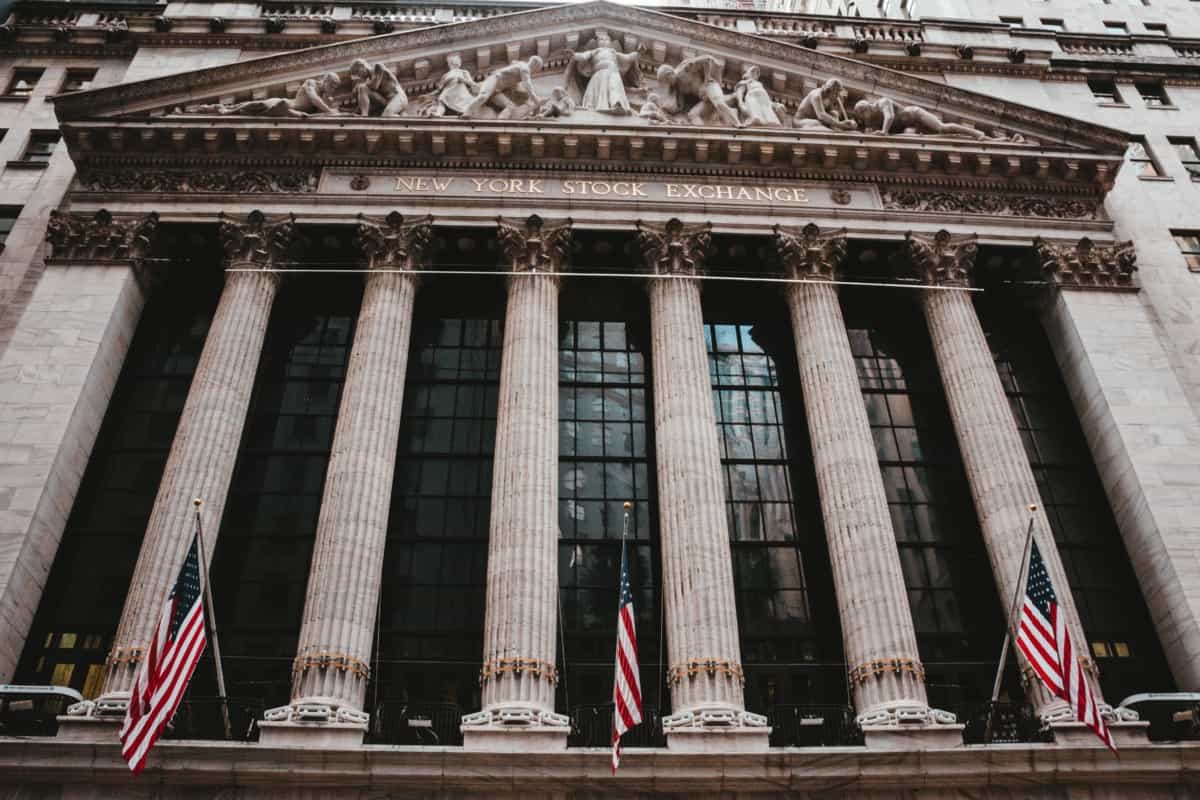
Opensea was launched in 2017, making it around 4 years old at the time of this blog post. It’s a young company that has not been as battle-tested compared to other marketplaces, such as the New York Stock Exchange, which was created in 1792.
Another challenge is that Opensea uses Ethereum, which is a riskier blockchain. The reason Ethereum is risky is that it’s turning complete.
Turing complete means that it can do “anything,” and more things can go wrong. Plus, there have been some hacking attempts with Ethereum.
The classic one “literally” created the Ethereum classic coin, and that was a crazy story. A mistake in the code where a thief almost ran off with 64 million dollars.
The only way to stop the thief was to fork the project, creating 2 Ethereums. You can read more about this hacking attempt by clicking on the link HERE.
Also, Ethereum is going through MAJOR changes right now, and it’s a riskier bet than Bitcoin.
In fact, all crypto, including Bitcoin, is risky, but that is what makes it exciting, right? Bitcoin is probably the least risky cryptocurrency because it’s the oldest and most battle-tested.
Let’s talk about the OpenSea platform itself.
The good news is Opensea doesn’t hold your NFT’s. It’s just a marketplace where you can view them and buy or sell them.
The only way a scammer or criminal can steal an NFT is through human error. The truth is, when it comes to ALL cybercrimes, the human really is the weakest link.
In fact, I really think most harm that people experience is usually self-inflicted.
Opensea uses something known as the Wyvern Protocol. It’s an audited system that creates a personal contract for each user of the platform. You also have to approve access to each transaction before the system can access any of the assets you own.
The contract works by only allowing a transfer if you approved an order, or it’s properly matched with a buyer who is paying the approved amount of money.
Opensea also doesn’t hold any NFTs or digital assets; it’s just a website that allows people to view them and interact with the Opensea marketplace.
Opensea seems like a VERY safe platform it’s the human error that can cause problems.
Let’s talk about the best way to prevent human error on this platform.
Scams to Avoid
When there is money to be made, there are scams. The first scam to avoid is buying a fake NFT. Yes, there are fake NFT’s being sold.
There is only ONE way to truly avoid a fake NFT, and it’s somewhat of a hassle. The blockchain really is just one ledger, or I think of it as a receipt.
You can look at the receipt and double-check that the address where it was minted is genuine. If you are making a LARGE NFT purchase, then it might be worth triple-checking to ensure the product is the real thing.
You can do this by clicking on the details of a listing, and then on the contract address, where there is a link.
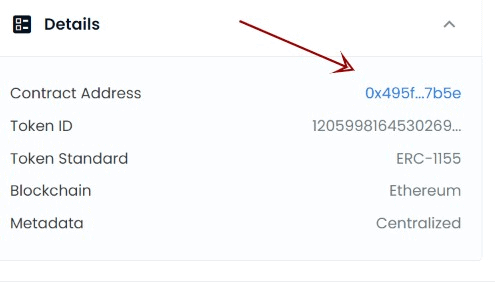
If you click on this link then you can see the contract address, and this is where the NFT was produced or minted from.
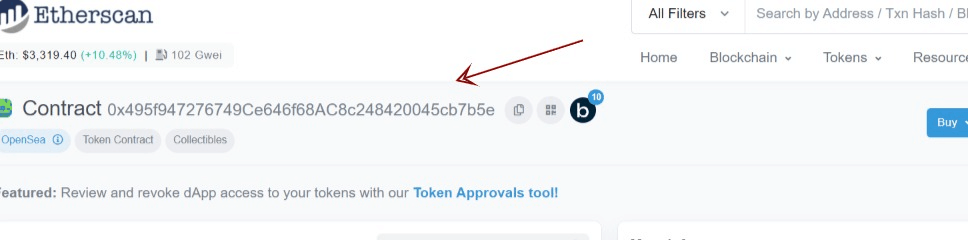
ANY good project should make its contract address public on its website or social media account. You just want to double-check that they match what is listed for sale.
You might have to do some work to find the original contract address that the NFT came from, and this little bit of work might just help you avoid buying a fake NFT.
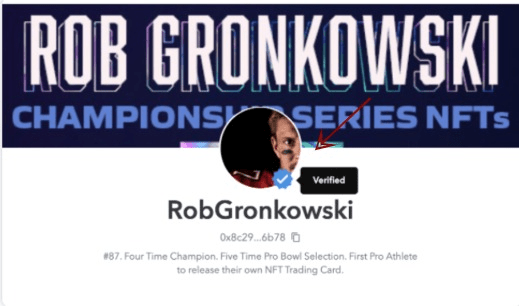
Opensea also has something called a blue verification checklist that can help. This blue verification checkmark just means the Opensea team verified the account is real and it’s safe for people.
Also, if the price is WAY too low, then that can be a warning sign as well.
The second scam that is NOT just with Opensea but has been going on for a while is phishing. Phishing is when someone sends you an email or sends you a message that leads you to a fake site.
Then on the fake site, you enter in some information, such as a password or seed phrase for a Metamask wallet.
The way to avoid phishing scams is to only enter sensitive information into legitimate sites.
Your Metamask seed phrase you should NEVER give to any site EVER.
Passwords should only be entered into the 1 and only site that it is needed for.
I talk more about phishing scams with a post I made about tips on using a VPN from the link HERE. A VPN can be helpful, especially with public wifi.
If you use public wifi and enter a password, someone may be able to see it, and a VPN can protect you. Don’t enter any sensitive information on a public wifi or if you do use public wifi use a VPN for more security.
Another scam that has been circulating on Opensea is fake bidding. How it works is if you go to sell an NFT and someone bids with USD and not WETH (wrapped Ether) or ETh.
The person can even put a picture of Weth as their profile picture. If you’re not careful, you can think the USD is Eth and get all excited and accept the bid.
Since USD is much lower than Weth, you would lose a lot of money.
The way to avoid this scam is to double-check transactions. It’s the same when sending crypto to another wallet; you just want to triple-check everything so there are NO mistakes.
ETH vs. WETH: Why OpenSea Requires Wrapped Ether for Bidding (Explained)
Weth stands for wrapped Ether and has the exact same value as Ether.
If Opensea used Ether, then all transactions would have to be approved; using Weth helps with convenience and makes transactions faster because they are pre-approved.
Also, if Opensea used Ether, then if you made an offer on something, you would have to be present when the offer is accepted.
Weth does allow more flexibility and help make transactions easier.
It is an ERC-20 compatible version of Ether. ERC stands for Ethereum Request for Comment, and the 20 is just a random number.
You can wrap Ether by clicking on the wallet, then clicking on the 3 dots next to Ethereum, and clicking on wrap Ether.
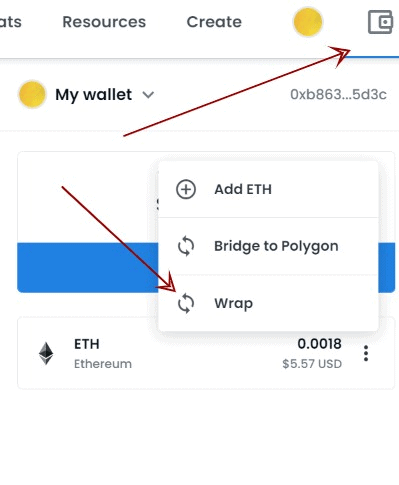
Then you can choose how much to wrap, and you’re charged a fee. You can also use a DEX (Decentralized Exchange) such as Uniswap to wrap Ether.
Can You Still Mint for Free? A Guide to OpenSea Gasless Listing in 2026
It is free to mint something on Opensea, and it can be free to sell something, or it could cost gas fees, depending on who pays the gas fees.
The first step to having an Opensea account is to connect a wallet to it.
The most popular and easiest wallet to use is Metamask. There are ways to save money using Metamask, and HERE is a post I made on how to use Metamask.
You do need to initialize your wallet that supports Ether, and that does require some gas. You also need OpenSea to access your wallet.
There really are 2 transactions needed to open an OpenSea account, and both cost money. The amount of money depends on gas prices.
The good news is there are NO gas fees to upload art, mint them and list them.
Only when something is sold on the platform are there gas fees that are either paid by the seller or the buyer.
If you sell something and accept an offer, then you pay the gas fees; otherwise, the buyer pays the gas prices.
MetaMask vs. Phantom: Which is the Best OpenSea Wallet for Security in 2026?
Opensea supports many wallets, but the most common ones are Metamask for desktop and Coinbase for mobile.
Metamask is considered a hot wallet because it’s connected to the internet and more open to security risks. A more secure wallet is a cold wallet that isn’t connected online.
One example of a cold wallet that is more secure is Ledger.
The general rule of thumb is that it’s ok to have a small amount of crypto in a hot wallet; it does make trading easier.
If you have a LARGE amount of crypto, then it’s usually best to store it on a cold wallet for increased security.
Pro Secrets: 3 Essential Tips for Using OpenSea to Buy and Sell Like a Whale
One tip is to buy an NFT (even if it’s the cheapest) because if Opensea does an airdrop in the future, you will get free stuff if you did business with them.
Plus, you learn more about “everything” by buying something (just spend the least amount).
The second tip is that you can list multiple NFT’s that are the same. By default, the option is greyed out, and you have to put in a special code to have access to it.
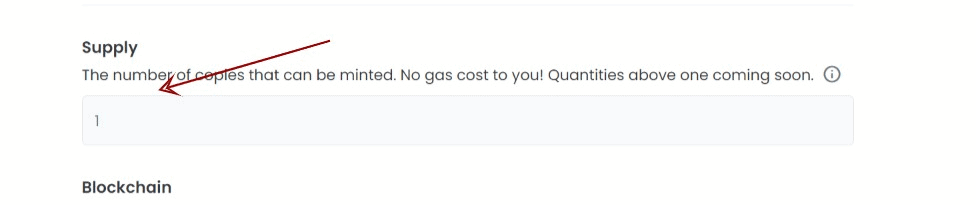
You can learn more about this special code by clicking on the link HERE. The code is ?enable_supply=true, and you just stick it in the external link box.
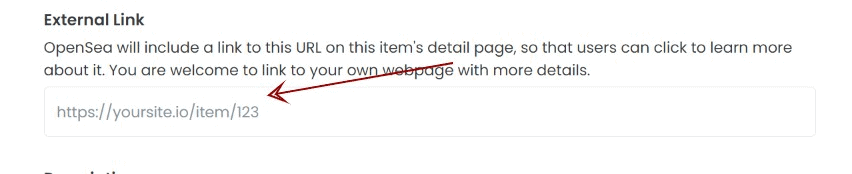
The reason it’s greyed out is that each item is a different listing and is more difficult for the average person to manage.
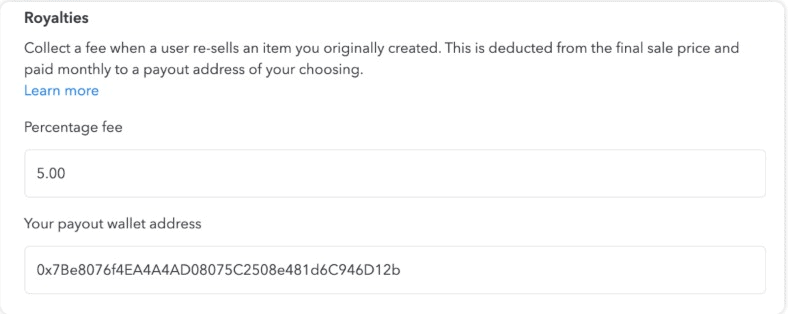
The third tip is that you can adjust the royalty you would receive by using the platform to sell something. You could think of this sort of like Network Marketing.
If you sell an NFT, you would get paid. Now, that person sells it, then you could get a small percentage from that sale.
This royalty is from ongoing sales is one of the reasons that make NFT’s very powerful!
It’s very hard to have this royalty from a physical art piece.
To change the commission price, go to “my collections,” then click on one of your collections, then click on edit.
At the bottom, you can change the commission price.
Viral Marketing: How to Promote Your OpenSea NFTs Using Discord and X in 2026
I know what you’re thinking, “shit, I can design something, post it, and make all kinds of money.” All of us are somewhat greedy, right?
When it comes to promoting an NFT, some people will say to promote on Instagram, Facebook, or some other platform.
Instead of talking about tactics, I wanted to go over something more Macro (big picture). The person to truly learn from is Beeple, who sold an NFT for the largest amount of money, which is 69 million dollars.
What is important to realize is…
When someone purchases an NFT that person is investing in the artist JUST as much as the art.
The reason the artist Beeple can sell his NFTs for an insane amount of money is that he is Beeple. Beeple has a huge history, and he didn’t just show up, make 1 post, and sell his art piece Everydays for 69 million dollars.
You could say Beeple was working for 13 years with LITTLE money (nobody sees this part.) Understanding a little of the history of Beeple might help you understand how to promote an NFT and earn money.
In 2007, Beeple started Everydays with the goal of creating a new piece of art every day. He started with a pen and paper, then moved to 3D art, and then to photography.
It was more about getting better at his craft rather than creating 7 pieces of art on Sunday and taking the rest of the week off.
Also, creating work every single day helped him build a name and a community of followers. In 2018 Luis Vuitton contacted Beeple to put his art on their clothes. (They contacted him).
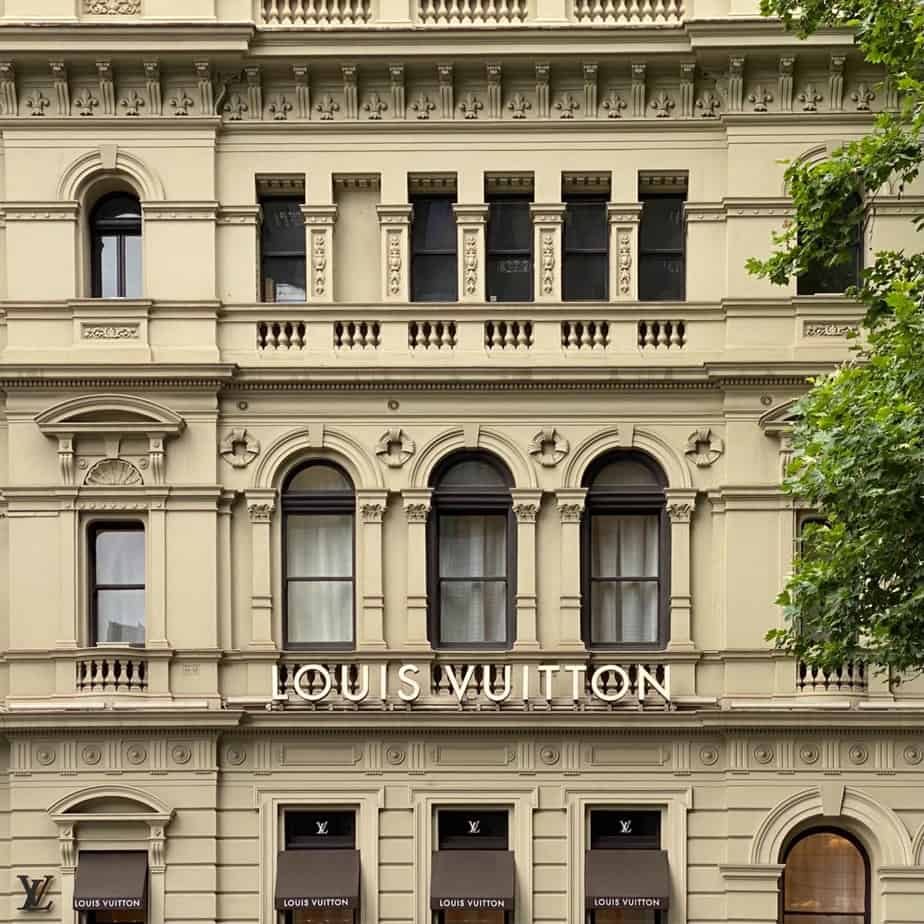
Some people feel Beeple should have made MORE money from the deal with Luis Vuitton. According to Beeple Luis Vuitton didn’t need him, and he didn’t overvalue his work.
Working for less money, helped Beeple build his reputation so he could charge more money in the future for his work. Then Beeple started selling digital art for tens of thousands of dollars.
Then came the million-dollar sales. The artwork that he sold for tens of thousands of dollars was then sold for 6 million dollars.
You can see how the floor price is starting to be established because he is Beeple. For you and me, why would someone purchase an NFT you made, even for even $1?
Heck, why do people even buy NFT’s? There are 4 main reasons…
- Status
- Investment
- Collecting things
- Verified Ownership of something
Thinking about how something will benefit someone else, then reverse engineering how to deliver that is a good thing!
Lastly, comes your pay, which the market will pay if you deliver the benefits.
Conclusion to How to Spot Fake OpenSea offer Emails 2026!
Crypto and NFTs are a fascinating industry, and it’s fun to learn about. If you are interested in earning serious money, then sticking to Bitcoin is a safer and (probably easier) bet.
The cool thing is, there are many different ways to earn money just from holding Bitcoin, and you click on the link HERE to learn more.
The truth is, crypto is risky.
It’s not a bad idea to diversify and earn money from other sources. 1 side hustle I’ve been a very big fan of is affiliate marketing.
You can do it anywhere, anytime, around your schedule, in nearly any niche, with very low startup cost, and it can be a TON of fun.
I’ve been doing it for 15 years, and I’m giving away a FREE guide HERE.
I hope this blog post on whether Opensea is safe was helpful to you. Bye for now.