
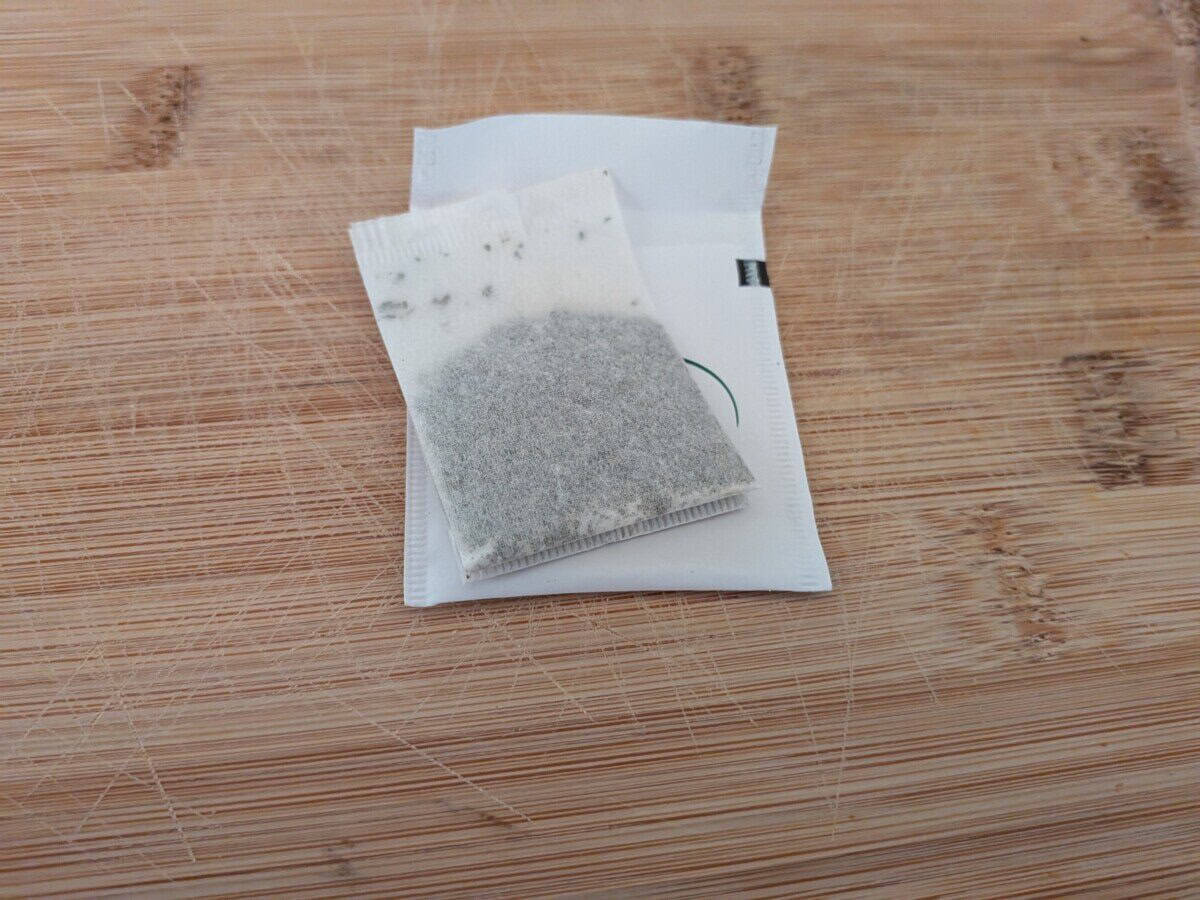
You sit down with a warm mug to de-stress, but have you ever stopped to wonder, are tea bags made of plastic?
While they might look like simple paper, many modern brands use a hidden ‘thermoplastic’ lining to keep their bags from falling apart in boiling water, potentially leaking billions of microplastics into your morning brew.
Some teabags do have plastic.
Keep reading, and I’ll share how to tell, the health effects, why nanoplastics are a danger, and 3 ideas to protect yourself.
Safe Sip: Plastic-Free Tea Brand Checker
Verify your favorite brands and learn how to spot “hidden” plastics at home.
| Tea Brand | Plastic Status | Bag Material |
|---|---|---|
| Pukka Herbs | ✅ Plastic-Free | Abaca & Wood Pulp (Stitched) |
| Republic of Tea | ✅ Plastic-Free | Unbleached Paper (No Sealant) |
| Numi Organic | ✅ Plastic-Free | Manila Hemp (Cotton String) |
| Clipper Tea | ✅ Plastic-Free | Plant-based Bio-plastic (PLA) |
| Bigelow | ✅ Plastic-Free | Abaca/Wood Pulp (Folded) |
| Celestial Seasonings | ⚠️ Contains Plastic | Polypropylene (Heat-Sealed) |
| Lipton (Standard) | ⚠️ Contains Plastic | Polypropylene Sealant |
| Tazo | ⚠️ Contains Plastic | Filter Paper w/ Plastic fibers |
DIY Test: Is Your Bag Safe?
If your brand isn’t listed, try the Burn Test (use extreme caution!):
It turns to soft grey ash and smells like a campfire or burning leaves.
It melts, curls, or leaves behind a hard black “bead.” It will smell like burning chemicals.
The Engineering Secret: Why Most Tea Bags Contain Plastic
It’s due to manufacturing and to keep them durable.
They mix polypropylene (a type of plastic) into the paper. When the edges are hit, the plastic fibers glue the bag shut.
So, if you see a tea bag that is stapled or sewn shut with a string, those are more likely to be plastic-free.
Tea bags also have to survive being submerged in near-boiling water for 5 to 10 minutes without falling apart.
Many brands treat the paper with a plastic-based resin or weave in synthetic fibers.
| Bag Type | Material | Plastic Status |
| Crimped/Pressed Edge | Paper + Polypropylene | Contains Plastic |
| “Silky” Mesh Pyramid | Nylon or PET | High Plastic Content |
| Stapled or Tied | 100% Cellulose / Manila Hemp | Usually Plastic-Free |
| Loose Leaf | None | 100% Plastic-Free |
Billions of Particles: The Health Risks of Plastic in Boiling Water
Regulatory agencies still label these plastics as “food grade,” but scientists are becoming concerned.
“Food grade” doesn’t mean “heat proof.”
Many plastics begin to degrade or release chemicals when exposed to temperatures above 100°C (boiling point), which is exactly how we make tea.
What Is the Safest Way to Brew Tea Without Plastic?
Instead of boiling the water with the tea bag inside, it’s best to just pour some water into a mug and then heat the water in the microwave for a few minutes.
Then let the water sit for 30-60 seconds. This cools the water, and then put the tea bag in.
Letting the water cool for a little is safer and healthier.
Understanding Microplastics vs. Nanoplastics
Microplastics are about the size of a sesame seed, down to a speck of dust.
They are tiny and typically shed from the heat-sealed edges or the “silky” mesh of the tea bag as the plastic fibers.
The good news is they are generally too large to pass through the walls of your digestive tract easily, so they get flushed out.
They can still cause inflammation in certain areas.
Nanoplastics are WAY tiny. A human hair is about $70,000 nanometers wide. They form when plastic degrades even more due to very high heat.
The danger is that they are small enough to enter the bloodstream, penetrate cell membranes, and even cross the blood-brain barrier.
As you can imagine, this is not good! I
t could cause issues with cardiovascular, digestive, brain disorders, reproductive issues, and even breathing issues.
The Impact on Gut Health and Inflammation
Emerging studies suggest that consuming microplastics can lead to more harmful bacteria in your gut. Your body could see them as foreigners and trigger this immune response.
This imbalance can weaken the intestinal barrier, often referred to as “leaky gut,” making it easier for toxins to enter your bloodstream.
One way to improve your digestion is with prebiotics, which are WAY better than probiotics.
- Probiotics – These are external ‘good’ bacteria you swallow.
- Prebiotics – These are natural plant fibers that act as fuel for the good bacteria you already have.
Your gut has good bacteria that fight the bad bacteria, like a battlefield.
When you consume probiotics (like yogurt), it just adds a little bit of good bacteria to your gut (A few more soldiers).
The problem is that many die before they reach your gut.
When you consume prebiotics, it helps the good bacteria reproduce, and they grow a ton. Technically, they reproduce through binary fission (they split in two).
This is why I recommend prebiotics. You can see what type of deals Amazon has on them.
Do ‘Silky’ Mesh Bags Leach More Chemicals?
Yes, they are 100% plastic. Traditional paper bags, which are only 20–30% plastic.
The plastic is bad enough, but there are chemicals.
Nylon, when it hits boiling water, can soften and release chemicals. There is also PET (the same stuff in soda bottles), the higher the temperature, the more antimony (it’s inside PET) gets released.
There could be other chemicals that are concerning, like PLA (Polylactic Acid).
All this stuff is not good.
Top 2 Plastic-Free Alternatives for a Healthier Steep
A better way is to purchase loose-leaf tea, which doesn’t come in a bag.
They are not too expensive on Amazon, and there is a wide variety.
You also need a teacup for loose-leaf tea. If you want the top-of-the-line tea infuser basket, then OXO could be a good choice.
The next option is to get better tea bags.
One option is Pukka tea bags. They use organic cotton string instead of staples or glue. Their bags are made from a blend of abaca, wood pulp, and plant cellulose. They are the leading choice.
Here are some more that use less plastic.
Closing: Are Tea Bags Made of Plastic?
I hope this post was helpful.
You might be wondering about cardboard coffee cups. Are there plastics in them, and what are better choices?
I wrote a post on coffee cups, and I was very surprised at what I found.
If you want to know more ways to reduce plastic when traveling, save money, and help the planet, I wrote a post that shares 11 ways to reduce plastic when traveling.
Bye for now.